May 22, 2026
The roll off dumpster industry has evolved far beyond its origins as a simple logistical service; it has become an essential, high-stakes component within the broader waste management and global construction sectors. In an era where urbanization is accelerating at an unprecedented pace and large-scale infrastructure projects are revitalizing city centers, the demand for sophisticated, efficient, and scalable waste disposal solutions has reached an all-time high. A dumpster is no longer just a metal container—it is a critical link in the supply chain of sustainability and urban development.
As the industry matures, it is being reshaped by a complex interplay of forces. Environmental regulations are becoming more stringent, consumer expectations for transparency are rising, and the "circular economy" is pushing providers to rethink how they handle every ton of debris. This article delves into the evolving trends, technological advancements, and economic factors that shape the waste management landscape today. From the integration of digital tracking to the rise of specialized recycling, we will explore how this foundational industry is modernizing to meet the demands of a greener, more connected world.
1. Evolution of the Roll Off Dumpster Industry
The industry has a rich history dating back to the early 20th century when waste management began to formalize. Initially, disposal was a rudimentary affair, but industrialization necessitated more structured systems. Over the decades, the industry has evolved from a simple collection to sophisticated processes involving sorting and recycling.
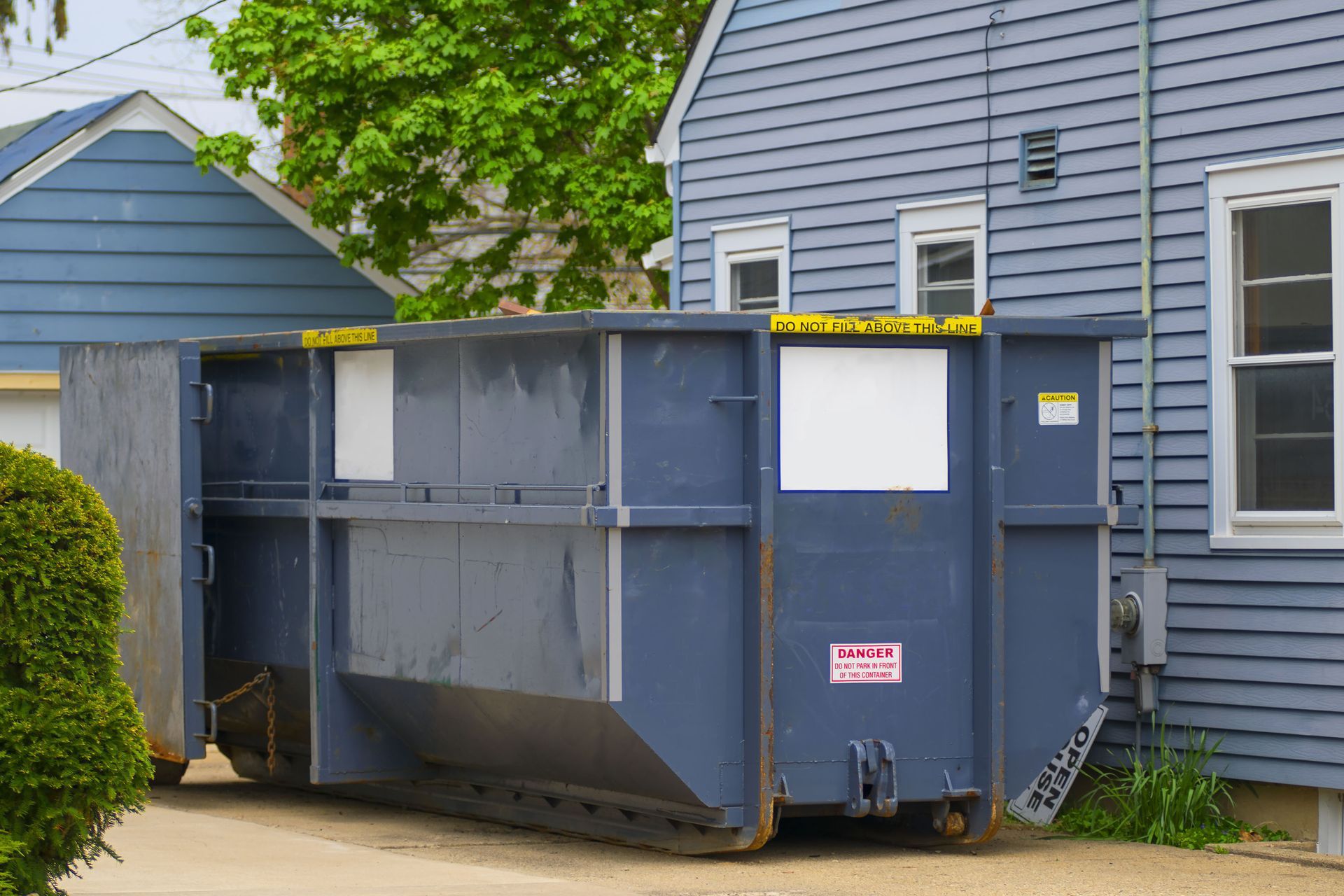
As cities expanded, the need for mobile and efficient waste solutions became apparent, giving rise to the development of the roll off dumpster. These containers offered flexibility and convenience, allowing for easy transportation of large volumes of debris. This innovation marked a significant shift in practices, setting the stage for modern advancements.
Automation and smart technologies have led to the development of dumpsters that can monitor fill levels and optimize collection schedules. These innovations reduce operational costs and enhance the overall efficiency of waste management systems.
Moreover, the integration of data analytics and IoT devices into the dumpster has provided operators with real-time insights. This capability allows for proactive management and maintenance, minimizing downtime. In addition to operational technologies, advancements in materials science have led to the creation of more durable and environmentally friendly dumpsters.
The industry has witnessed significant expansion, driven by increasing urbanization and construction activities. Market growth has led to increased competition, prompting companies to differentiate themselves through service quality.
According to IBISWorld, the US dumpster rental industry revenue is expected to increase at a CAGR of 2.2% over the next five years, reaching $598.6 million in 2028.
This positive growth trajectory highlights the resilience of the industry and its potential for continued expansion. As market dynamics evolve, companies must strategically position themselves to capitalize on emerging opportunities.
2. Current Market Dynamics
The industry is characterized by several major players who dominate the market through strategic acquisitions and a strong focus on customer service. These companies have established themselves as leaders by leveraging economies of scale and investing in advanced logistics.
Despite the dominance of large corporations, the market is also witnessing the emergence of smaller, innovative companies. These new entrants are challenging the status quo with disruptive technologies and agile business models. Market share dynamics are increasingly influenced by factors such as localized service quality and digital presence.
Consumer demands are evolving, driven by increasing awareness of environmental sustainability and convenience. Customers are seeking waste management solutions that align with their sustainability goals and minimize environmental impact.
In addition to sustainability, consumers are prioritizing efficiency. They expect prompt and reliable service with flexible scheduling and transparent pricing. Companies that can meet these demands by streamlining their operations and leveraging technology are gaining a significant competitive edge in the local market.
Pricing trends are influenced by operational costs, market competition, and fluctuating fuel prices. Many companies are adopting dynamic pricing strategies, adjusting rates based on demand fluctuations and disposal fee changes at landfills.
The industry also faces supply chain challenges, particularly regarding the cost of raw materials used in manufacturing. Fluctuations in steel prices can affect the production of the roll off dumpster, potentially increasing rental costs for consumers. Proactive supply chain management is essential for maintaining service quality.
3. Technological Innovations
Smart dumpsters represent a massive leap forward. Equipped with sensors, these containers provide real-time data on fill levels, enabling companies to avoid "dry runs"—trips where a truck arrives to pick up a container that is only partially full.
By leveraging IoT capabilities, companies can gain valuable insights into waste generation patterns. This information allows for data-driven decision-making and better resource allocation, enhancing service delivery and customer satisfaction. The adoption of IoT is gaining traction as companies recognize the long-term ROI of digital transformation.
Automation is revolutionizing the industry by enhancing efficiency and reducing labor costs. Automated collection systems and advanced hydraulics streamline the process of loading and unloading a roll off dumpster. This innovation minimizes human intervention, reduces operational risks, and improves service reliability.
Safety is a key focus, reflecting the importance of protecting workers and the public. Companies are implementing advanced safety features such as:
- Automated Locking Mechanisms: Ensuring containers stay secure during transport.
- Collision Avoidance Systems: Assisting drivers in tight urban construction zones.
- GPS Tracking: Monitoring fleet behavior and optimizing safe driving routes.
4. Environmental Impact
Waste reduction strategies are critical as landfills reach capacity. Companies are adopting initiatives such as composting and waste-to-energy conversion to minimize landfill contributions.
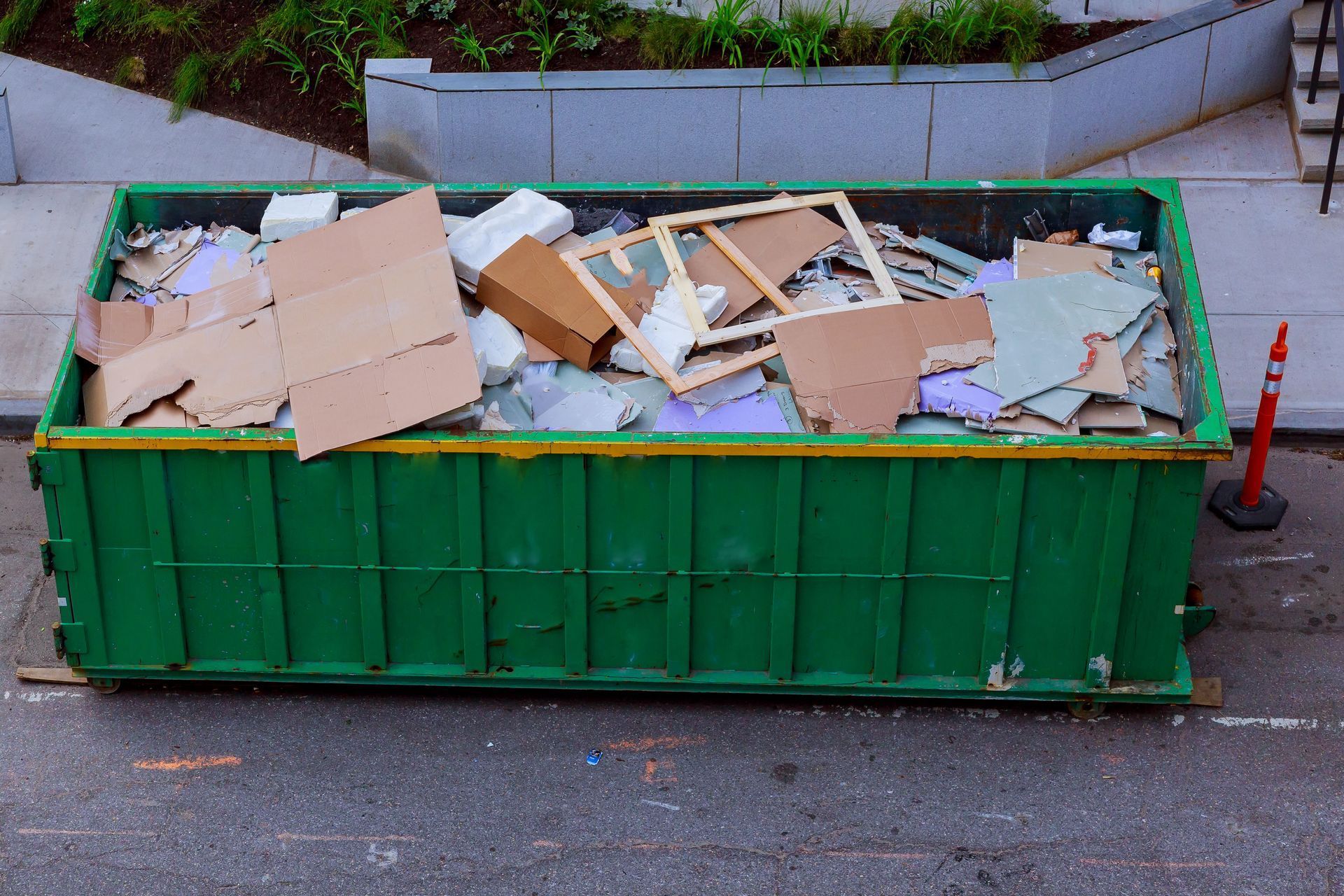
Recycling programs are a key component of the modern roll off dumpster service. Many providers now offer specialized containers for concrete, metal, or wood, ensuring these materials are diverted to recycling facilities rather than dumped. Advanced sorting systems enable companies to achieve higher recycling rates than ever before.
Reducing the carbon footprint of waste hauling is a major industry priority. This is being achieved through:
- Route Optimization: Using software to minimize miles driven.
- Alternative Fuels: Transitioning fleets to compressed natural gas (CNG) or electric power.
- Local Disposal: Partnering with regional transfer stations to reduce haul times.
5. Future Outlook
The future of the roll off dumpster industry lies in the intersection of sustainability and technology. As regulatory frameworks become more stringent regarding carbon footprints and resource conservation, companies must remain agile. We expect to see a rise in "Zero Waste" partnerships where dumpster providers work directly with construction firms to sort 100% of debris on-site.
Furthermore, the rise of e-commerce in the rental space is making it easier for homeowners to book a roll off dumpster with the click of a button. Transparency in pricing and real-time delivery tracking will soon become the standard, not the exception.
Understanding the trends in the waste management sector is vital for both contractors and homeowners. The industry is moving toward a more efficient, tech-driven, and environmentally conscious future. From the integration of IoT sensors to the adoption of sophisticated recycling programs, the way we handle large-scale debris is being fundamentally transformed.
Choosing a provider that understands these modern dynamics ensures that your project stays on schedule while meeting environmental standards. For those seeking reliable, efficient, and professional waste disposal solutions, partnering with a local expert is the best way to navigate these evolving trends.
If you are ready to start your next renovation or construction project, ensure you have the right partner for your waste management needs. For expert service and dependable hauling, contact S & E Dumpster and Hauling Solutions LLC today. Let us provide the perfect disposal solution to keep your project clean and compliant.